
The first time I stood at the snout of Vatnajökull — Iceland’s largest ice cap, a remnant of the Pleistocene that still covers eight percent of the island — it calved a block the size of a shipping container into the glacial lake below while I was watching. The sound arrived a second later: a crack followed by a low, architectural groan, as though something built to last forever was reconsidering.
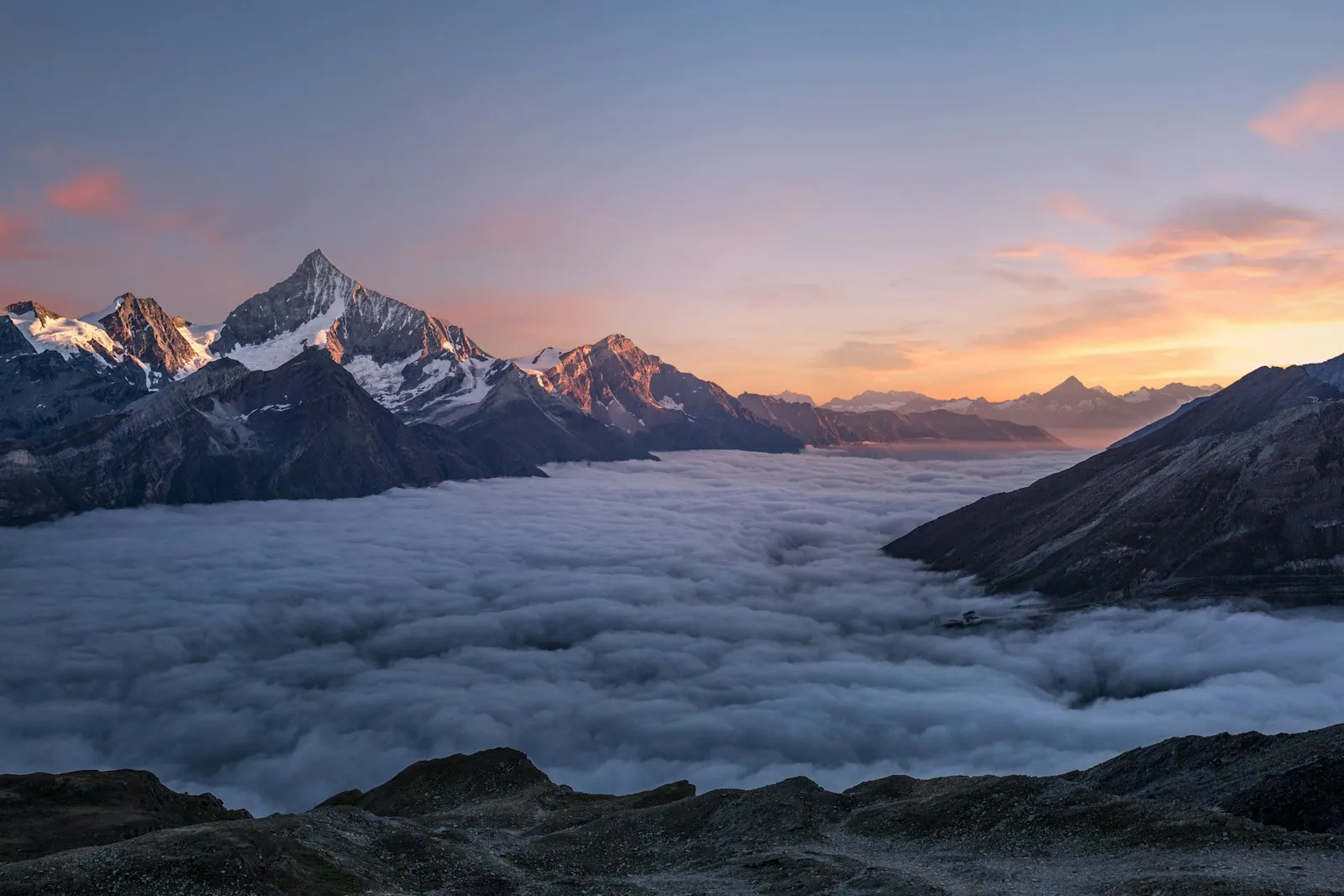
That was five years ago. I have spent those five years following the ice: from Iceland to the Alps, from the Alps to the Himalayas, from the Himalayas to the Andes. The expedition was conceived as a photographic record. It became something harder to name — a vigil, perhaps, or an argument that what is being lost deserves to be seen before it goes.
Iceland: the archive
Vatnajökull is a record keeper. Its ice cores contain trapped air bubbles from before the industrial revolution, before the burning of coal, before the atmospheric composition of the planet began its long departure from Holocene norms. Scientists have been drilling those cores for decades. What they find is a precise chemical diary of the atmosphere, year by year, going back 800,000 years.
The ice will be gone within a century. The cores will survive in freezers. But the living glacier — the thing that moves, that shapes the land beneath it, that feeds the rivers that run to the sea — will not.
The Andes: the water tower
In the Peruvian Andes, the stakes are different. Glaciers here are not archives; they are infrastructure. Cities at altitude depend on glacial meltwater through the dry season. When the glaciers go — and they are going, retreating at rates that have accelerated every decade since the 1980s — the dry season water supply goes with them.
Huaraz, a city of 120,000 in the Callejón de Huaylas, sits below a cirque of peaks that has lost forty percent of its ice volume since 1970. The river that runs through the city is fed, through the dry months, almost entirely by glacial melt. The city’s water engineers have known for years what the satellite data confirms: they are drawing down an account that will eventually close.
What remains
I have learned, in five years of following the ice, to resist the language of catastrophe. Catastrophe implies an event. This is a process — slow enough that any single photograph shows you nothing changing, fast enough that a sequence of photographs taken fifty years apart shows you a different planet.
The glaciers are not dying dramatically. They are retreating, millimeter by millimeter, meltwater by meltwater, into a smaller version of themselves. What I have tried to document is not the drama of their ending but the texture of what exists while it still exists: the blue of deep ice, the silence at altitude, the particular quality of light in a landscape that will not look like this again.