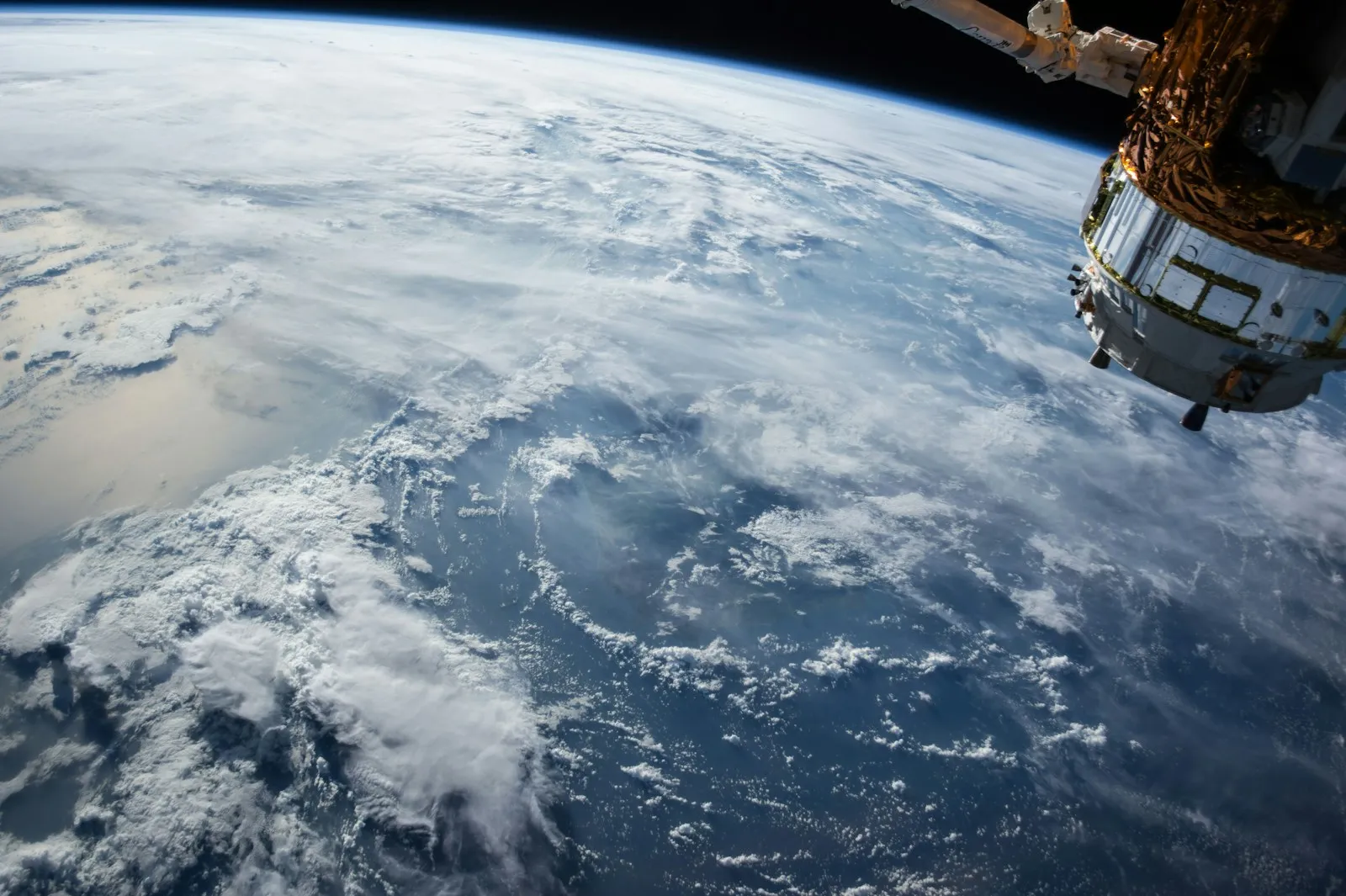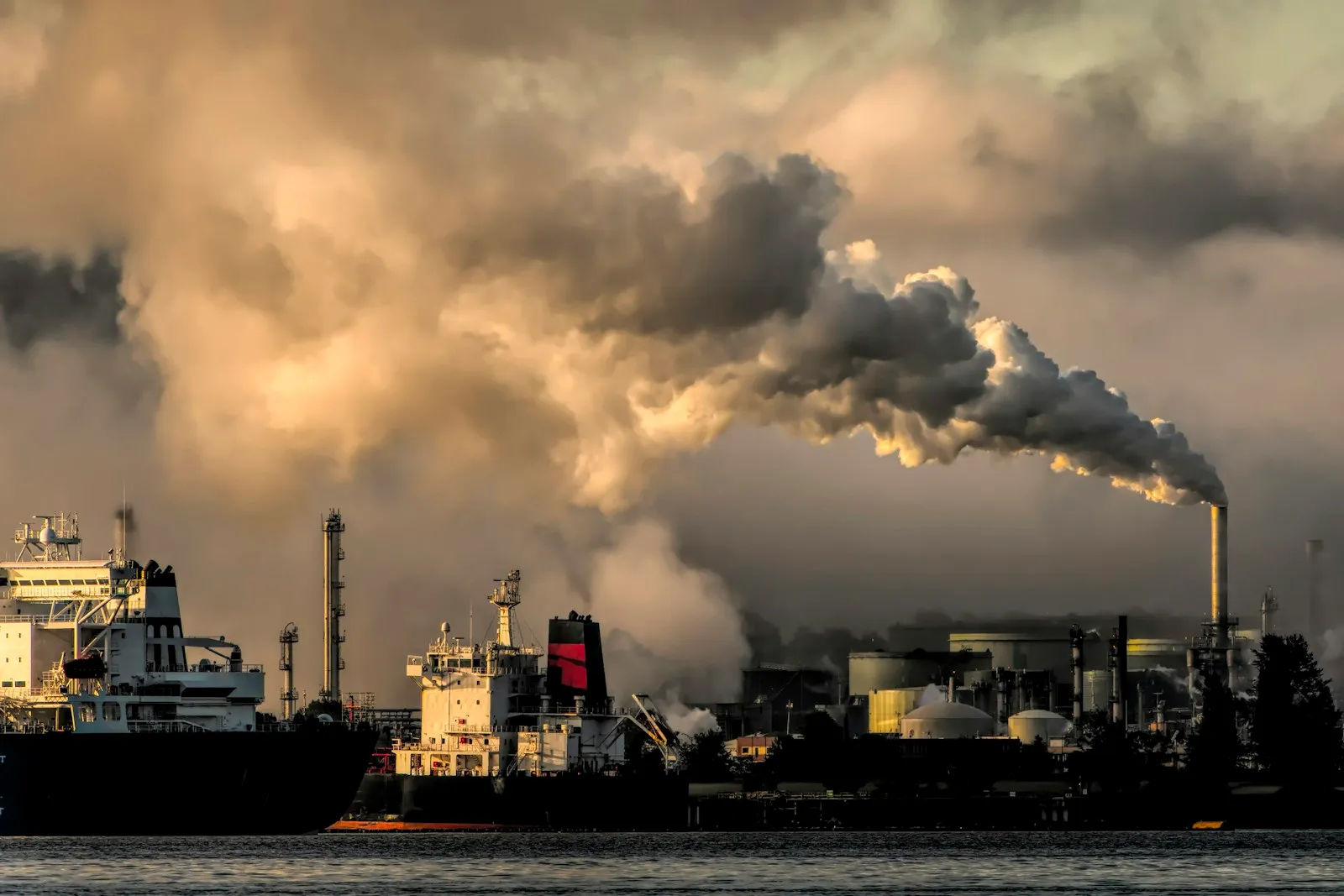

A tipping point, in climate science, is the moment a system crosses a threshold from which it cannot return on any timescale meaningful to human civilization. The term gets used loosely in public discourse. Used precisely, it describes something specific and alarming: a feedback loop that, once triggered, continues without additional forcing. The ice melts, the dark ocean absorbs more heat, more ice melts.
Scientists have identified a handful of systems where those feedbacks are closest to activation. None of them are certain. All of them are being watched.
The West Antarctic Ice Sheet
The most consequential candidate is the West Antarctic Ice Sheet, a mass of ice resting on bedrock that in places sits more than two kilometers below sea level. Warm ocean water is already eating at its base. If the sheet destabilizes — a process that once begun cannot be stopped by reducing emissions — it would eventually raise global sea levels by three to five meters.
The timeline is the subject of genuine scientific debate. Some models suggest meaningful destabilization within decades; others place it further out. What is not debated is that the threshold exists, or that we are pushing toward it.
The Amazon
The Amazon rainforest generates roughly half its own rainfall through transpiration — trees cycling water back into the atmosphere in a loop that sustains the forest itself. Deforestation breaks that loop. Drought stresses the trees that remain. Stressed trees transpire less. Less transpiration means less rain. The system can, in principle, flip from rainforest to savanna.
Current deforestation rates, combined with climate-driven drought, have pushed the eastern Amazon into a state where it is already emitting more carbon than it absorbs. Whether the western Amazon follows is one of the most closely watched questions in earth system science.
Atlantic circulation, permafrost, coral reefs
The Atlantic Meridional Overturning Circulation — the system of currents that moderates European climate — has weakened measurably since the mid-twentieth century. Its collapse would not freeze Europe overnight, as some films suggest, but it would shift rainfall patterns, cool the North Atlantic, and amplify sea level rise on the eastern coast of North America.
Permafrost thaw is releasing methane and CO₂ stored for millennia. The feedback is real and measurable; the question is whether it accelerates nonlinearly. Coral reefs, already bleaching at scale, face a threshold defined not by a single event but by the cumulative warming that strips them of the zooxanthellae they depend on.
None of these systems will announce themselves when they cross a threshold. That is the nature of tipping points: you know you have passed one by what comes after.